14 ANCC Contact Hours
2 Hours of Pharmacology for Nurse Practitioners
Course Fees
$995.00 for Physicians$750.00 for Nurse Practitioners, Physician Assistants, Pharmacists
$595.00 for Nurses

OUR OFFICE HOURS
Mon-Fri 8:30am-6:00pm EST
Sat 10:00am-2:00pm EST

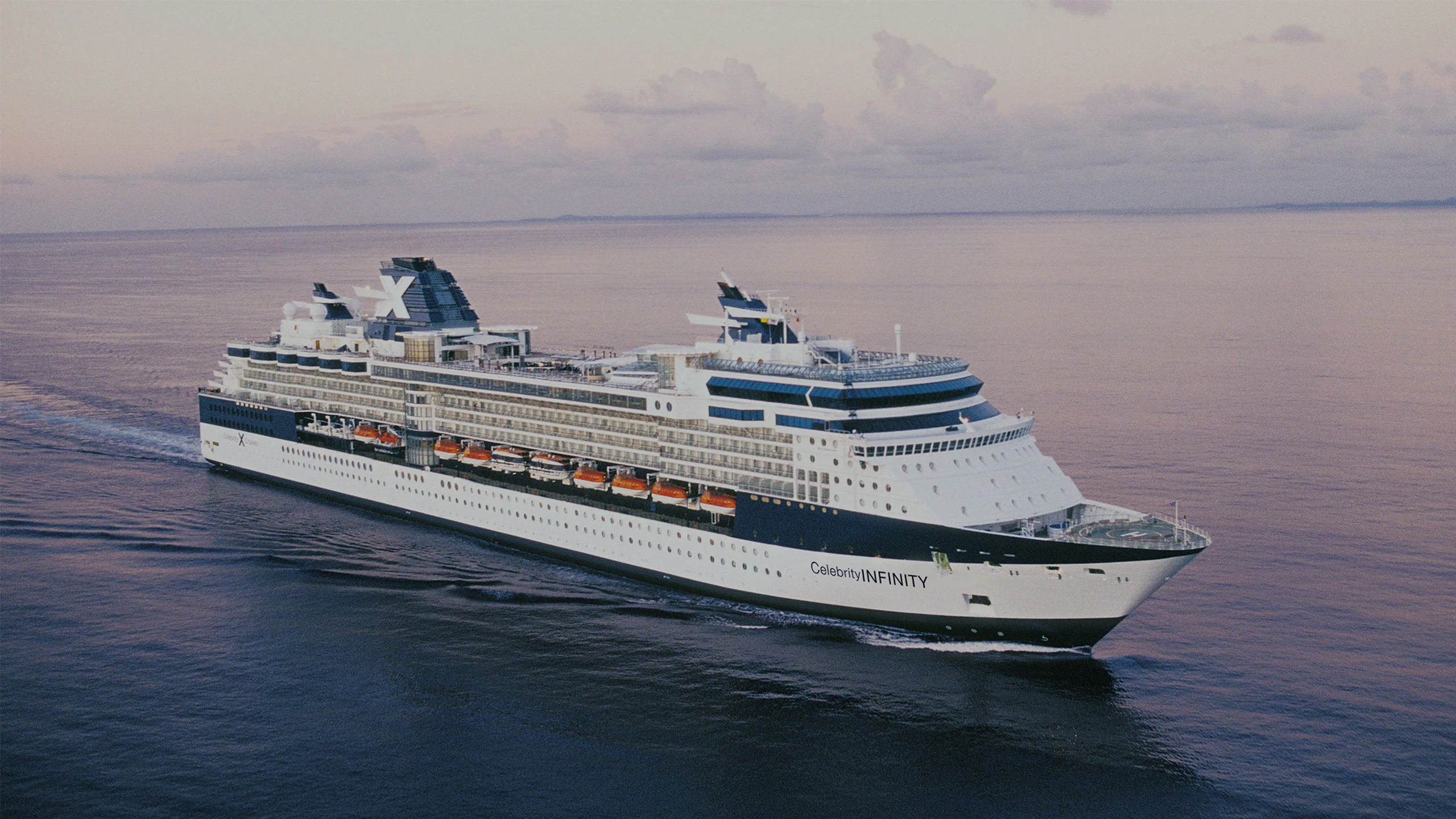

Our staff can assist you with all your travel arrangements.
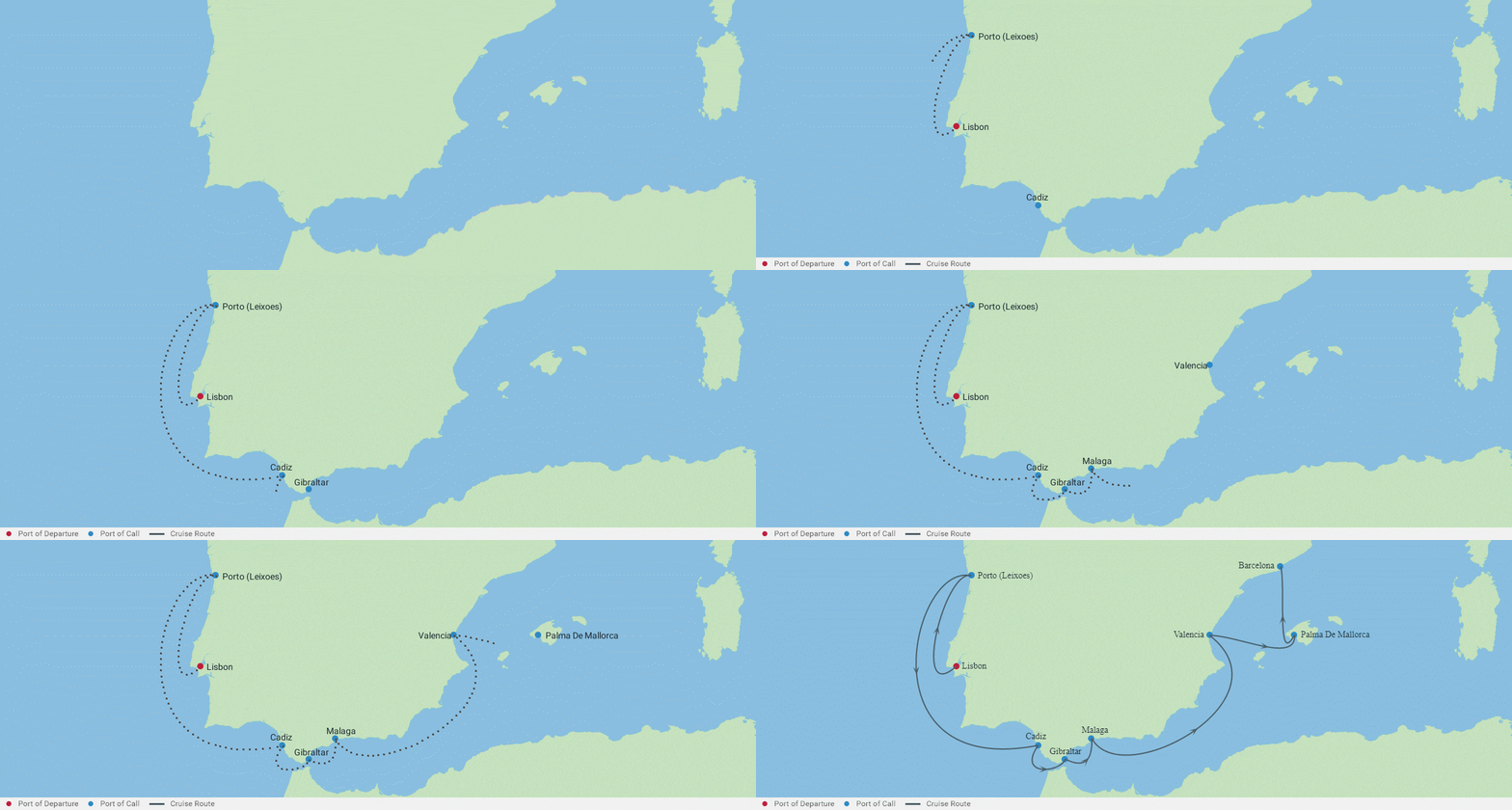
| DATE | PORT OF CALL | ARRIVE | DEPART |
|---|---|---|---|
| Wed Apr 26 | Lisbon, Portugal |
- | 5:00 pm |
| Thu Apr 27 | Porto Leixoes, Portugal |
8:00 am | - |
| Fri Apr 28 | Porto Leixoes, Portugal |
- | 6:00 pm |
| Sat Apr 29 | *At Sea - Cruising Meeting 8:00AM - 12:00PM, 1:00PM - 4:00PM |
- | - |
| Sun Apr 30 | Cadiz (Seville), Spain |
8:00 am | 10:00 pm |
| Mon May 01 | Gibraltar |
8:00 am | 6:00 pm |
| Tue May 02 | Malaga, Spain |
8:00 am | 10:00 pm |
| Wed May 03 | *At Sea - Cruising Meeting 8:00AM - 12:00PM, 1:00PM - 4:00PM |
- | - |
| Thu May 04 | Valencia, Spain |
8:00 am | 7:00 pm |
| Fri May 05 | Palma De Mallorca, Spain |
7:00 am | 6:00 pm |
| Sat May 06 | Barcelona, Spain |
6:00 am | - |
Lisbon, Portugal - As your cruise concludes in the vibrant port of Lisbon, a compelling invitation awaits: to step beyond the planned itinerary and craft your own Portuguese story. This is not merely an endpoint, but a gateway. For professionals like you, who dedicate their lives to care and precision, Lisbon offers a perfect setting to decompress, explore, and rejuvenate. The city’s cruise terminals are conveniently located, making a post-cruise extension not just an appealing idea, but a seamless transition. Allow yourself one, two, or even three extra days to immerse yourself in a city of captivating contrasts, where ancient history and contemporary dynamism exist in perfect harmony. ### Your First 24 Hours: The Historic Heartbeat Begin your extended stay by delving into the soul of the city. From the port, make your way to the Alfama district, Lisbon's oldest and most atmospheric quarter. Lose yourself in its labyrinth of steep, winding alleys where every cobblestone whispers tales of Moorish and medieval pasts. Ascend to the majestic São Jorge Castle, a citadel crowning the hilltop, and be rewarded with breathtaking panoramic views across the city's terracotta rooftops to the sparkling Tagus River. As evening descends, Alfama becomes the cradle of Fado, Portugal's profoundly melancholic and beautiful musical tradition. For an authentic and moving experience, find an intimate *casa de Fado*, where the mournful guitars and powerful vocals—a UNESCO Intangible Cultural Heritage—will provide an unforgettable cultural immersion. From Alfama’s ancient charm, transition to the elegant, grid-planned Baixa district, impressively rebuilt after the devastating 1755 earthquake. Stroll through the magnificent Praça do Comércio, one of Europe's grandest squares, opening majestically onto the river. Pass under the imposing Rua Augusta Arch for more stunning city views from its summit. Adjacent to Baixa, the sophisticated Chiado district beckons with its literary heritage. Sip a *bica* (espresso) at the historic A Brasileira café, a favorite haunt of poet Fernando Pessoa, or browse the shelves of Bertrand, recognized as the world's oldest operating bookstore. ### Day Two: An Era of Discovery and Artistic Flair A journey to Lisbon is incomplete without exploring Belém, the monumental heart of Portugal's Golden Age of Discoveries. Marvel at the breathtaking Jerónimos Monastery, a UNESCO World Heritage site and a masterpiece of ornate Manueline architecture, housing the tomb of explorer Vasco da Gama. Nearby, the iconic Belém Tower stands as a stoic guardian at the river's edge, another testament to this era of exploration. And, of course, no visit is complete without indulging in the original Pastéis de Belém, the delectable custard tarts whose secret recipe originated in the monastery—a true taste of Lisbon! In the afternoon, immerse yourself in Lisbon's artistic spirit. Discover the world of *Azulejos*, the beautiful painted ceramic tiles that adorn facades across the city, at the National Tile Museum. For a more contemporary experience, visit the striking MAAT (Museum of Art, Architecture and Technology) on the waterfront, or find an oasis of calm at the Gulbenkian Museum and its serene gardens, which host an impressive collection of ancient and modern art. ### Day Three: A Royal Escape or Bohemian Vistas With an additional day, an enchanting escape awaits just a short train ride away in Sintra. This magical, UNESCO-listed hillside town feels like stepping into a fairytale. Explore the whimsical, brightly-colored Pena Palace, perched dramatically on a hilltop, or wander through the mystical gardens of Quinta da Regaleira with its enigmatic initiation well and hidden tunnels. Alternatively, stay in Lisbon and experience the city like a local. Hop on the iconic yellow Tram 28 for a rattling, charming ride through its most picturesque neighborhoods. Discover the city’s famed *miradouros* (viewpoints), like the Miradouro de Santa Luzia with its bougainvillea-draped trellises. For an afternoon of unique shopping and dining, explore the LX Factory, a revitalized industrial complex now home to avant-garde artists, designers, and innovative restaurants. ### A Taste of Lisbon & Seamless Departures Throughout your stay, Lisbon’s culinary scene will delight you. From the bustling Time Out Market, where you can sample creations from top chefs under one roof, to traditional *tascas* serving hearty local fare like *Bacalhau à Brás* (shredded cod with potatoes and eggs), there is something for every palate. Don't miss a taste of *Ginjinha*, a cherry liqueur often served in a chocolate cup. When it’s finally time to depart, Humberto Delgado Airport (LIS) is a short and inexpensive taxi or ride-share journey from the city center, making your transition home as effortless as your stay. Lisbon doesn't just ask you to visit; it invites you to linger, to discover, and to write a memorable final chapter to your European journey.
Porto Leixoes, Portugal - While your ship docks within the industrial bustle of Leixões, the true destination is Porto, located about 20 minutes away by taxi or metro. Porto is not a city of polished, manicured perfection; it possesses a soulful, gritty beauty and a UNESCO World Heritage designation that feels utterly authentic. The city’s topography is demanding—expect steep hills and cobblestones—so supportive footwear is non-negotiable. The historic heart is the Ribeira district, a captivating tangle of medieval alleys tumbling down to the Douro River. For the best orientation, walk across the upper deck of the Dom Luís I Bridge. This Eiffel-inspired masterpiece connects you to Vila Nova de Gaia, the historic headquarters of the Port wine trade. We highly recommend prioritizing a visit to a prestigious lodge such as Graham’s, Taylor’s, or Sandeman. These tours offer essential insight into the region's viticulture and provide a relaxing counterpoint to the busy city streets. Back in Porto, the São Bento train station is a mandatory quick stop to view the stunning azulejo tile panels depicting Portuguese history. Architecture enthusiasts should prioritize the Palácio da Bolsa (Stock Exchange Palace) to see the intricate Arabian Room. A note of caution regarding the famous Livraria Lello bookstore: while beautiful, the queues can consume hours of your limited port time. Unless it is a bucket-list item, we advise spending that time enjoying a local white port and tonic or exploring the fresh seafood restaurants in Matosinhos near the ship before departure.
At Sea - Cruising
Cadiz (Seville), Spain - The port of Cadiz presents a classic logistical decision: commit to the travel required for world-famous Seville, or embrace the accessible, ancient charm of Cadiz right at the gangway. Both options offer high-quality experiences, but they serve very different travel styles. Seville is the undisputed star of Andalusia, but it demands energy. The 90-minute transit each way leaves a compressed window for exploration, yet the rewards are substantial. The city boasts three UNESCO World Heritage sites: the Real Alcázar, a complex of palaces and gardens that rivals the Alhambra; the massive Gothic Cathedral, resting place of Columbus; and the Archivo de Indias. A visit to the Plaza de España is essential for its architectural grandeur. This is the correct choice for first-time visitors determined to see the icons, but be prepared for significant walking and, in summer, intense heat. For those who prefer a relaxed pace over a bus schedule, Cadiz is a sophisticated delight. As one of Western Europe's oldest continuously inhabited cities, it is entirely walkable from the ship. The experience here is about atmosphere rather than checking boxes. We recommend starting at the Torre Tavira for a unique Camera Obscura view of the city's layout. From there, navigate the narrow streets to the golden-domed Cathedral and the seaside Castillo de San Sebastián. The culinary scene is a major draw; visit the Mercado Central for authentic tapas and sherry, or find a local freiduría for the city's renowned fried fish. Cadiz offers a genuine, stress-free Spanish experience that many travelers end up preferring over the rush to Seville.
Gibraltar - Gibraltar is a destination of immense character, a British Overseas Territory where red phone boxes stand under the Mediterranean sun. Its identity is dominated, quite literally, by the Rock of Gibraltar, a limestone monolith that offers one of the most memorable day-port experiences available. The primary objective here is to ascend the Rock. The most efficient method is the cable car, which provides a swift, scenic journey to the top. From the summit, the views are genuinely breathtaking, a panoramic sweep across the Strait of Gibraltar to the mountains of Morocco in Africa, with the Atlantic on one side and the Mediterranean on the other. While at the top, explore the Upper Rock Nature Reserve. St. Michael's Cave, a natural grotto transformed into an auditorium with a stunning light show, is a must-see. For history enthusiasts, the Great Siege Tunnels offer a fascinating glimpse into the Rock's military past, a testament to ingenuity and endurance. Of course, no visit is complete without an encounter with the famous Barbary macaques, the only wild monkey population in Europe. They are undeniably charming but also opportunistic; keep a firm grip on your belongings and avoid carrying food. Back at sea level, the town itself is easily explored on foot. Main Street offers a unique, VAT-free shopping experience, while Casemates Square is a lively hub of pubs and cafes perfect for enjoying a pint and reflecting on the singular geography and history of this remarkable port.
Malaga, Spain - Often presented as a gateway to the Costa del Sol, Malaga is a destination that stands firmly on its own considerable merits. This is the birthplace of Picasso, and the city honors its most famous son with the exceptional Museo Picasso, housing a significant collection of his works within a beautifully restored palace. The city’s appeal lies in its rich, visible layers of history. At the foot of the formidable Moorish Alcazaba—a wonderfully preserved fortress-palace that offers a more intimate alternative to Granada's Alhambra—lies a remarkably intact Roman Theatre. This juxtaposition of two great empires is a powerful sight and a testament to Malaga’s deep past. Beyond these headline sites, the city itself is the main attraction. The historic center is a delightful labyrinth of marble-paved lanes, leading to grand plazas and the impressive, yet famously unfinished, Malaga Cathedral, affectionately nicknamed 'La Manquita' (The One-Armed Lady). For a taste of authentic local life, the Atarazanas Market is a feast for the senses, set within a stunning 19th-century iron building with an original Moorish gate. The redeveloped port area, Muelle Uno, offers a contemporary contrast with its modern promenade, shops, and the colorful cube of the Centre Pompidou Malaga. Malaga is eminently walkable, allowing for a day of genuine discovery that effortlessly blends world-class art, ancient history, and the vibrant, sun-drenched energy of a modern Andalusian city.
Valencia, Spain
Palma De Mallorca, Spain - Palma de Mallorca is frequently the sleeper hit of a Western Mediterranean itinerary. While often anticipated merely as a beach resort, the Balearic capital reveals itself as a sophisticated urban center with an architectural pedigree rivaling mainland Spain. It offers a compelling blend of Gothic grandeur, modernist flair, and a relaxed island pace that appeals to those who appreciate culture without the frenetic energy of larger metropolises. The skyline is dominated by the Catedral-Basílica de Santa María, known locally as La Seu. This sandstone leviathan is essential viewing, not just for its exterior dominance but for the interior dialogue between history and modernity; Antoni Gaudí’s unfinished wrought-iron canopy hangs above the altar, while Miquel Barceló’s ceramic chapel adds a controversial contemporary layer. Just below, the Parc de la Mar offers the perfect vantage point for photography. Beyond the cathedral lies the Casco Antiguo (Old Town), a labyrinth of narrow streets best explored without a map. Look for the traditional Mallorcan courtyards (patios) visible through iron gates of aristocratic homes. A stop at the Banys Àrabs (Arab Baths) provides a quiet glimpse into the city’s Moorish past. For a pause, the tree-lined Passeig del Born is the city’s living room, ideal for coffee and people-watching. For panoramic context, a taxi to Castell de Bellver is recommended. As one of Europe’s few circular castles, it offers 360-degree views of the bay and pine forests. Regarding logistics: The cruise pier is an industrial stretch about three miles from the historic center. We strongly advise utilizing a taxi or the port shuttle rather than attempting the walk, maximizing your time for tapas and exploration.
Barcelona, Spain - While your cruise may have concluded, disembarking in Barcelona offers a rare opportunity to transition from a passenger to a true explorer. We strongly advise against rushing directly to El Prat Airport. Barcelona is not merely a logistical hub; it is one of Europe’s most visually and culturally distinct cities, defined by fierce Catalan identity, architectural daring, and a culinary scene that rivals any in the world. Extending your stay by two or three days allows you to decompress and engage with the city on your own terms, free from the ship's schedule. To help you navigate this sprawling metropolis efficiently, we have curated a post-cruise itinerary that balances the absolute must-sees with the atmospheric wandering that makes Barcelona so special. **Day 1: The Gothic Core & Picasso** After transferring from the port to your hotel—we recommend the Eixample district for Art Nouveau elegance or the Gothic Quarter for historic immersion—start where the city began: the Barri Gòtic. This is a neighborhood best explored without a map. Wander the labyrinth of medieval streets, eventually finding the Cathedral of the Holy Cross and Saint Eulalia (La Seu). Unlike the famous Sagrada Família, this is a classic Gothic masterpiece with a stunning cloister inhabited by 13 white geese. In the afternoon, cross Via Laietana into the El Born district. This area feels more bohemian and houses the Picasso Museum. Housed across five medieval stone palaces, the museum focuses heavily on Picasso’s formative years, offering context to his genius that you won't find elsewhere. For dinner, embrace the local rhythm. Dinner is late here (9:00 PM or later). Spend the evening hopping between tapas bars in El Born or Barceloneta. Look for *pintxos* bars (Basque-style tapas on bread), where you help yourself and pay based on the number of toothpicks left on your plate. **Day 2: The Architecture of Antoni Gaudí** Barcelona is synonymous with Antoni Gaudí, and seeing his work requires strategy. His unfinished masterpiece, La Sagrada Família, is the city's most visited site. **Critical Advice:** You must book tickets online weeks in advance for a specific entry time. Walk-up tickets are virtually non-existent. The interior, a forest of stone columns bathed in light from stained glass, is a spiritual and architectural marvel that justifies the hype. Afterward, head to Passeig de Gràcia. This broad boulevard is home to high-end shopping and two more Gaudí icons: Casa Batlló and Casa Milà (La Pedrera). Even if you do not tour the interiors, the exteriors are essential viewing. If you have the energy, end your day at Park Güell. Located further uptown, this garden complex offers whimsical mosaics and sweeping views of the city and sea. Like the basilica, advance booking here is mandatory to enter the Monumental Zone. **Day 3: Montjuïc Art or Mountain Retreats** If you have a third day, choose your own adventure. For art and views, take the funicular up Montjuïc Hill. Here you will find the Fundació Joan Miró and the palatial Museu Nacional d'Art de Catalunya (MNAC), which holds an incredible collection of Romanesque frescoes. The views from the museum steps at sunset are spectacular. Alternatively, for a complete change of pace, take the train from Plaça d'Espanya to Montserrat (approx. 1 hour). This Benedictine monk mountain retreat, nestled in serrated rock formations, offers superb hiking and the chance to see the Black Madonna. It is a profound contrast to the bustle of the city. **Logistics & Departure** **From Ship to City:** The cruise terminals at Moll Adossat are about 2km from the bottom of La Rambla. Walking with luggage is not recommended due to the bridge length and heat. A taxi is the most direct option (approx. €30-€40 to the center). The 'Cruise Bus' (Portbus) is a budget-friendly shuttle that drops you at the Columbus Monument, where you can catch a taxi or metro. **Getting Around:** Barcelona is very walkable, but the Metro is clean, safe, and efficient for longer distances. Be aware that pickpocketing is a genuine issue in tourist hubs (La Rambla, Metro stations); keep wallets in front pockets and bags zipped. **To the Airport:** When departing, the Aerobus is an excellent service running from Plaça de Catalunya to both T1 and T2 every 5-10 minutes. Taxis are also plentiful and offer a fixed rate or metered fare depending on luggage.
Our staff can assist you with all your travel arrangements.
Questions? Call us at 800-422-0711.