16 ANCC Contact Hours
Course Fees
$995.00 for Physicians$795.00 for Nurse Practitioners, Physician Assistants
$595.00 for Nurses

OUR OFFICE HOURS
Mon-Fri 8:30am-6:00pm EST
Sat 10:00am-2:00pm EST

You may have found this page in error or been referred to this page via an outdated link. If you did come to this page from a link posted on another website, you may wish to alert the person responsible for the link that the program is labeled as inactive on our site. You are also welcome to e-mail us and report this message.
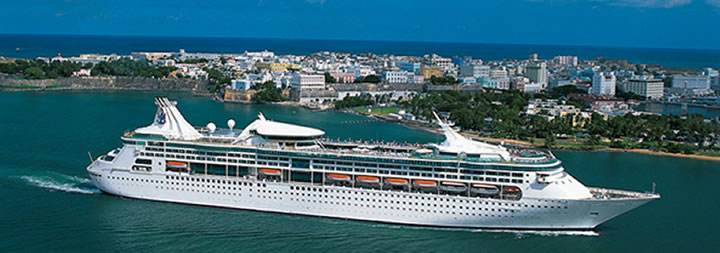


Our staff can assist you with all your travel arrangements.
| DATE | PORT OF CALL | ARRIVE | DEPART |
|---|---|---|---|
| Fri Feb 24 | Miami, Florida |
- | 5:00 pm |
| Sat Feb 25 | *At Sea - Cruising Meeting 8:30am-11:30am; 1:00pm-4:00pm |
- | - |
| Sun Feb 26 | Puerto Plata, Dominican Republic |
8:00 am | 3:00 pm |
| Mon Feb 27 | Charlotte Amalie, St. Thomas, U.S.V.I. |
11:00 am | 6:00 pm |
| Tue Feb 28 | Castries, St. Lucia |
1:00 pm | 8:00 pm |
| Wed Mar 01 | Bridgetown, Barbados |
7:00 am | 4:30 pm |
| Thu Mar 02 | Saint Johns, Antigua |
9:30 am | 4:00 pm |
| Fri Mar 03 | *At Sea - Cruising Meeting 8:30am-12:30pm |
- | - |
| Sat Mar 04 | *At Sea - Cruising Meeting 8:30am-11:30am; 1:00pm-4:00pm |
- | - |
| Sun Mar 05 | Miami, Florida |
7:00 am | - |
Miami, Florida - Miami is frequently misunderstood as merely a neon-lit transit hub for Caribbean voyages. However, to bypass this city is to miss one of the most culturally distinct and energetic metropolises in North America. Miami functions less like a standard American city and more like a capital of the Americas—a sophisticated, humid, and vibrant crossroads where the Global South meets the U.S. mainland. For the discerning traveler, we strongly advise arriving at least two days prior to embarkation. This buffer not only mitigates travel delays but allows you to acclimate to the tropical rhythm and explore a destination that offers far more than just cruise terminals and nightclubs. **The Neighborhoods: A Study in Contrasts** Miami is a collection of distinct enclaves, each with a unique personality. Understanding the geography is key to a successful visit, as traffic can be significant. * **South Beach (The Art Deco District):** This is the Miami of popular imagination. While Ocean Drive can be crowded and tourist-centric, its architectural significance is genuine. The Art Deco Historic District contains the world's largest concentration of 1930s resort architecture. **Our honest advice:** Visit in the early morning (before 10:00 AM). The light is perfect for photography, the streets are quiet, and you can appreciate the pastel geometry without the overwhelming crowds. For the beach itself, head to the "South of Fifth" area for a more refined, quieter experience, or north to Mid-Beach for wider sands. * **Little Havana:** Just west of downtown, this neighborhood is the emotional heart of the Cuban diaspora. While tour buses frequent Calle Ocho, the area retains an authentic soul. The experience here is sensory: the slap of dominoes at Máximo Gómez Park, the scent of tobacco, and the omnipresent music. Do not look for fine dining here; look for authenticity. Order a *cortadito* (sweetened espresso with steamed milk) from a *ventanita* (walk-up window) and watch the neighborhood wake up. It is a simple, inexpensive ritual that connects you to the local culture better than any guided tour. * **Wynwood & The Design District:** These adjacent neighborhoods represent Miami's rapid evolution. Wynwood, formerly a warehouse district, is now an open-air museum of street art. The Wynwood Walls are the curated center, but the surrounding streets offer blocks of stunning, large-scale murals. Just north lies the Design District, a sharp contrast of ultra-luxury retail and modern architecture. Even if you aren't shopping for high-end fashion, the area is worth a walk for its public art installations and some of the city's best chef-driven restaurants. * **Coconut Grove & Coral Gables:** For those seeking a break from the high energy, these southern neighborhoods offer lush canopies of banyan trees and historic charm. Coral Gables, built in the 1920s, feels like a Mediterranean dream with its plazas and fountains. The Venetian Pool, carved from a coral rock quarry, is a unique historic swimming hole worth seeing. **Cultural & Historic Highlights** If you visit only one paid attraction, make it the **Vizcaya Museum & Gardens**. Built by industrialist James Deering in 1916, this Italian Renaissance-style villa on Biscayne Bay is a stunning preservation of the Gilded Age. The interiors are opulent, but the formal gardens—fighting back the encroaching mangroves—are the true highlight. It provides a serene counter-narrative to the modern glass skyline. For nature lovers, **Fairchild Tropical Botanic Garden** in Coral Gables offers a world-class collection of rare tropical plants. It is a sprawling, peaceful expanse that feels miles away from the urban core. **The Culinary Landscape** Miami’s food scene has matured significantly, recently earning its first Michelin Guide. * **Stone Crabs:** If you are visiting between mid-October and mid-May, Florida Stone Crab is the regional delicacy. **Joe’s Stone Crab** in South Beach is the institution. It does not take reservations for the main dining room, and wait times can be excessive. **Tip:** Go for lunch to avoid the longest queues, or visit Joe’s Take Away next door for the same food in a casual setting (and take it to the beach). * **Cuban & Latin:** Beyond the famous Versailles (which is great for the atmosphere), try **Sanguich de Miami** on Calle Ocho for an elevated take on the classic Cuban sandwich. The city also boasts exceptional Peruvian cuisine; look for fresh ceviche and *lomo saltado* in the Brickell or Wynwood areas. **A Suggested Unhurried Itinerary (Pre-Cruise)** This two-day plan focuses on quality over quantity, minimizing cross-town traffic. * **Day 1: The Mainland Mix (Culture & Art)** * **Morning:** Start in Little Havana. Grab a coffee and a *pastelito* (guava pastry) at a walk-up window. Walk Calle Ocho to see the Domino Park and cigar rollers. * **Late Morning/Lunch:** Take a ride-share to Wynwood. Walk the mural-lined streets. Have a casual lunch at a taco spot or Asian food hall in the area. * **Afternoon:** Head north to the Design District. Browse the architecture and public art. If you enjoy museums, the Institute of Contemporary Art (ICA) is here and free to enter. * **Evening:** Dinner in Brickell or Downtown. Enjoy the skyline views by the Miami River. * **Day 2: Coastal History & Elegance** * **Morning:** Vizcaya Museum & Gardens. Arrive right at opening (9:30 AM) to beat the heat and crowds. Spend 2-3 hours exploring the house and grounds. * **Lunch:** Head to Coconut Grove for a relaxed lunch under the tree canopy. It’s a short drive from Vizcaya. * **Afternoon:** Transit to South Beach. Walk the Art Deco district. If you want beach time, rent a chair and umbrella South of Fifth. * **Evening:** Enjoy a seafood dinner in the South of Fifth neighborhood, which offers excellent dining without the chaotic noise of central Ocean Drive. **Practical Considerations for the Traveler** * **Transportation:** Miami is a sprawling car city. Public transit (Metrorail/Metromover) is useful only within the downtown/Brickell core. For everywhere else, Uber or Lyft are essential. If you are staying in South Beach, you can walk locally, but you will need a car to reach the mainland. * **Traffic:** Traffic can be severe, particularly crossing the causeways between Miami Beach and the mainland during rush hour. Always pad your travel time by 20-30 minutes. * **Weather:** It is tropical. Sudden, intense rain showers are common, especially in summer and fall. They usually pass quickly. Pack breathable fabrics and a compact umbrella. * **The Brightline:** If you are combining your cruise with a stay in Orlando, West Palm Beach, or Fort Lauderdale, the Brightline high-speed train is a game-changer. It connects these cities directly to downtown Miami in comfort, avoiding the stress of I-95. By treating Miami as a destination rather than a doorway, you add a rich, multi-cultural layer to your vacation before you even step aboard the ship.
At Sea - Cruising
Puerto Plata, Dominican Republic - Puerto Plata offers a refreshing contrast to the manicured perfection of private cruise islands. Located on the Dominican Republic’s lush "Amber Coast," this destination is best approached with a spirit of adventure. While the immediate port areas are modern, the true value lies in the region's natural topography and colonial history. The undisputed highlight for active travelers is the 27 Waterfalls of Damajagua. This is not a passive sightseeing tour; it is a physical excursion involving hiking, sliding down natural chutes, and jumping into limestone pools. It is exhilarating, but we advise clients to assess their physical comfort level honestly before booking—it requires agility and stamina. For a panoramic perspective with less exertion, the Teleférico (cable car) ascends Mount Isabel de Torres. At the summit, you will find botanical gardens and the iconic Christ the Redeemer statue. Cloud cover can obscure the view by afternoon, so we recommend prioritizing this early in the day. Closer to sea level, the historic town center features charming Victorian "gingerbread" architecture surrounding the Plaza Independencia. A visit to the Amber Museum provides context to the region's namesake export, while the 16th-century Fortaleza San Felipe offers a tangible connection to the island's colonial defense. Puerto Plata is not a polished metropolis, but for those willing to explore, it delivers a genuine and engaging Caribbean experience.
Charlotte Amalie, St. Thomas, U.S.V.I. - Charlotte Amalie is the heavy hitter of Caribbean cruising—energetic, scenic, and frequently crowded. While often marketed solely as a duty-free shopping haven, the island offers substantial rewards for those willing to look past the jewelry stores lining Main Street. The town itself is a steep amphitheater of red-roofed Danish colonial buildings rising from the harbor. For history buffs, a walk up the "99 Steps" (built from ship ballast bricks) or a visit to the red-walled Fort Christian provides context often missed by the average shopper. Most visitors are here for the water. Magens Bay is the headline attraction—a heart-shaped, protected cove that is visually stunning but often packed with fellow cruisers. For a more relaxed experience with superior snorkeling, we recommend Sapphire Beach or the pristine, protected sands of Smith Bay Park (Lindquist Beach). If your ship docks at Havensight, the Skyride to Paradise Point offers the classic Caribbean vista and a convenient spot for a local Bushwacker cocktail. Crucial Logistics: St. Thomas has two distinct cruise piers: Havensight (closer to town/Skyride) and Crown Bay (further west). Be sure to check your docking location, as it dictates your walking options. Traffic in Charlotte Amalie can be gridlocked in the afternoons; always pad your return time. Getting around is best done via "safari" taxis—converted open-air trucks. They are efficient and affordable, but confirm the fare before boarding. For those who have visited St. Thomas before, the ferry to neighboring St. John offers a quieter, more natural escape, though it requires careful time management.
Castries, St. Lucia - St. Lucia is defined by its dramatic topography, distinguishing it from flatter Caribbean neighbors. The island’s visual signature is the Pitons, twin volcanic spires rising from the sea—a UNESCO World Heritage site that creates one of the most spectacular backdrops in the tropics. However, visitors must understand the island's geography to maximize their time ashore. Ships dock in Castries, located on the northwest coast, while the iconic Pitons, the drive-in volcano, and the therapeutic Sulphur Springs are located south in Soufrière. This presents a logistical reality: reaching the island's premier sights requires a commitment. The road to Soufrière is incredibly scenic but notoriously winding, taking over an hour each way. For those prone to motion sickness, or simply wanting to maximize sightseeing time, a water-based transfer or catamaran excursion is the superior choice. The reward is substantial: walking through botanical gardens, soaking in mineral-rich mud baths, and viewing the peaks from the water. If a full day of travel feels too ambitious, the north offers excellent, accessible alternatives. Marigot Bay, a stunning natural harbor, is a short drive away and ideal for a relaxed lunch. Further north, Pigeon Island National Landmark is a standout, combining 18th-century British military ruins with approachable hiking trails and quiet beaches. Nearby Rodney Bay offers the island’s most popular stretch of sand, Reduit Beach. For a quick taste of local culture near the ship, the Castries Market remains a bustling hub for spices and local crafts, though it is best visited in the morning before the midday heat.
Bridgetown, Barbados - Barbados presents a polished and substantial Caribbean experience, anchored by its capital, a UNESCO World Heritage site. Historic Bridgetown and its Garrison offer a genuine sense of place, where British colonial architecture stands alongside vibrant Bajan life. The city core is compact enough to explore, with landmarks like the Parliament Buildings and the Careenage marina providing a backdrop that feels more like a historic town than a simple beach stop. Beyond the city, the island's offerings are diverse. For a unique natural wonder, Harrison's Cave offers a stunning underground tram tour through crystallized limestone caverns. For a taste of the island's most famous export, a visit to the Mount Gay Rum Distillery provides both a history lesson and a tasting. Of course, the beaches are world-class. Just a short taxi ride from the port, Carlisle Bay is a magnificent crescent of white sand with calm, turquoise water, perfect for swimming and snorkeling over several shipwrecks teeming with marine life. For a more serene scene, the west coast, known as the "Platinum Coast," is lined with idyllic stretches like Paynes Bay and Mullins Beach. Barbados is not a rugged, off-the-beaten-path destination; it is well-developed and organized. Taxis are plentiful and regulated (though it's always wise to confirm the fare beforehand). This makes it an excellent port for independent exploration, offering a rewarding balance of accessible history, natural beauty, and sophisticated relaxation.
Saint Johns, Antigua - While the local tourism board famously markets Antigua as having 365 beaches—one for every day of the year—relegating this island to a simple sun-and-sand destination does a disservice to its profound historical significance. For the educated traveler, Antigua offers the Caribbean's most compelling example of British naval heritage combined with vibrant West Indian culture. The crown jewel here is English Harbour and Nelson’s Dockyard, a UNESCO World Heritage site on the south coast. Unlike sterile museums, this is the world's only continuously working Georgian dockyard, where 18th-century stone buildings now house bakeries, workshops, and restaurants amidst modern superyachts. We highly recommend the journey to Shirley Heights nearby; the panoramic view over the harbour is perhaps the most photographed vista in the Caribbean and well worth the winding drive. In the capital of Saint John's, where ships dock, the experience is bifurcated. You will disembark at Heritage Quay, a standard complex of duty-free jewelry and electronics shops found throughout the region. However, a short walk leads to Redcliffe Quay, a preserved district of 19th-century warehouses converted into boutiques and cafes that feels far more authentic. For those interested in the island's agricultural past, the landscape is still dotted with the stone towers of sugar mills, with Betty’s Hope offering a restored look at the plantation era. If your priority is relaxation, the beaches truly are spectacular. Dickenson Bay offers full amenities and proximity to the port, while Ffryes Beach and Darkwood Beach on the southwest coast offer turquoise waters with a more laid-back atmosphere. Whether you choose naval history or coastal relaxation, Antigua requires leaving the immediate port area to appreciate its genuine stature.
Our staff can assist you with all your travel arrangements.
Questions? Call us at 800-422-0711.