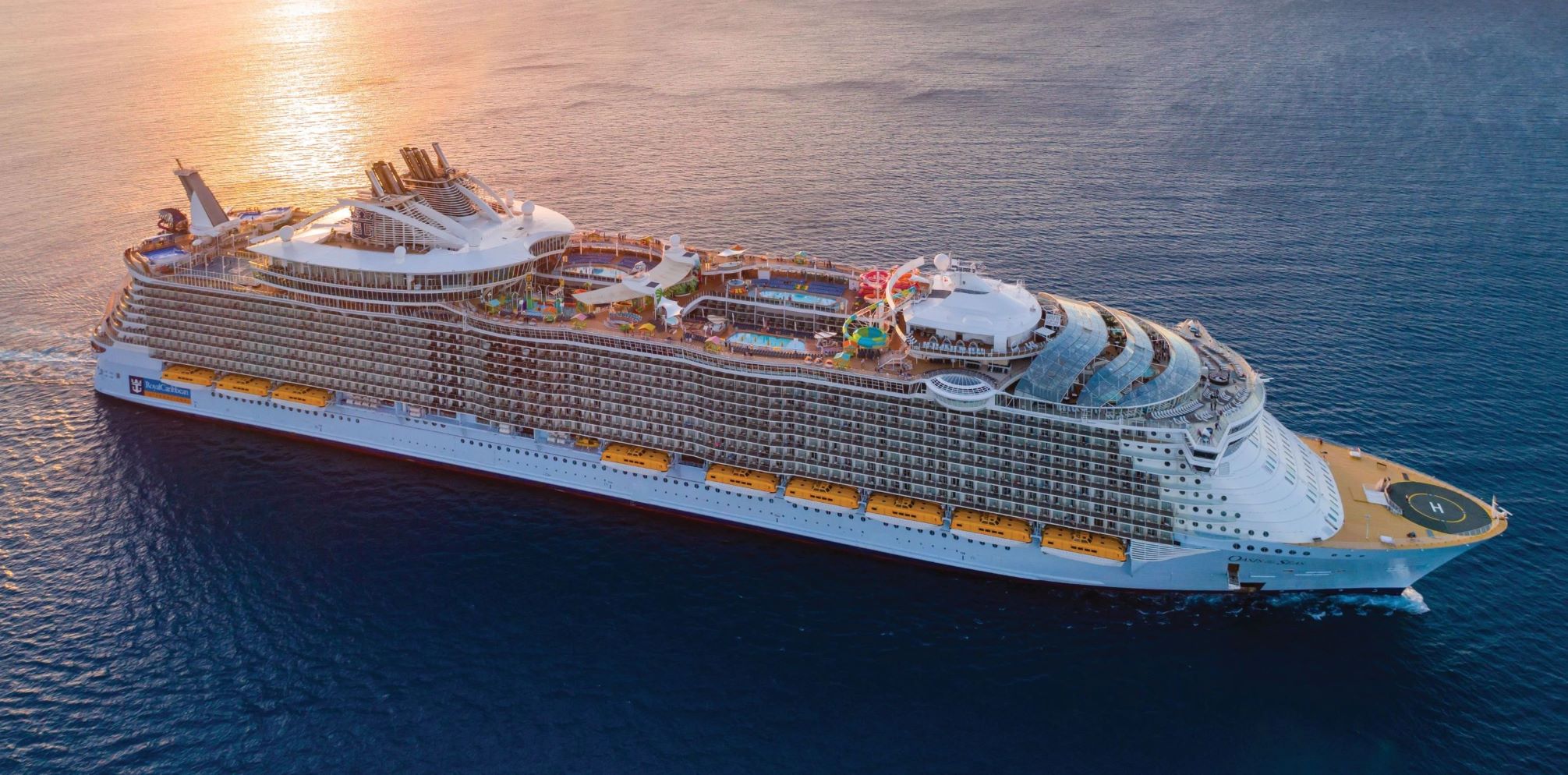
IMPORTANT NOTE: All conferees, their families, and guests must book their cruise within the University at Sea® meeting group through University at Sea® at 800-926-3775 or by registering online. This ensures our company can provide conference services and complimentary social amenities to all meeting participants and their guests. Thank you for your cooperation.
Faculty
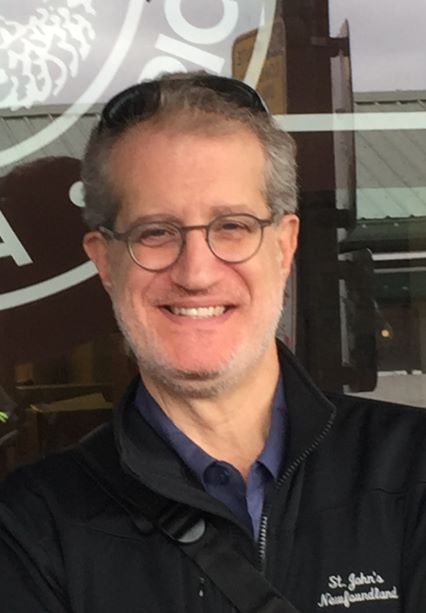
Barry Nathanson, BA, MD, MHCM, FRCPC, FACP
Inpatient Medicine Consult Service & Extensivist Clinic
Southlake Regional Health Centre
Newmarket, Ontario, Canada
Dr. Nathanson completed his medical degree and internal medicine training at the University of Toronto Faculty of Medicine and has been practising internal medicine and critical care medicine at Southlake Regional Health Centre in Newmarket, Ontario since 1995. In 2010, he earned a Master of Science in Health Care Management from the Harvard Graduate School of Public Health. He is currently pursuing graduate studies in Medical Bioethics and Jewish Health Law at the Rabbi Isaac Elchanan Theological Seminary of Yeshiva University in New York.
Throughout his career, Dr. Nathanson has held numerous administrative and leadership roles at Southlake, including Medical Director of the Inpatient Palliative Care Unit, founding Medical Director of the Heart Function Program, President of the Medical Staff Association, Chair of the Clinical Quality and Resource Utilization Committee, and Medical Director of Acute Medicine Programs. He was instrumental in founding the Clinical Resource Utilization Management Program, establishing and equipping the Southlake Simulation Lab, and designing and launching the Southlake Hospital Medicine Program.
Dr. Nathanson has contributed to health policy at the provincial level, serving on two Ontario task forces focused on hospital resource utilization. During the COVID-19 pandemic—from January 2020 through mid-2022—he served as Medical Director of the Intensive Care Unit at Southlake, where he founded the physician-led Critical Care Outreach Program; concurrently held the role of Chief of Staff at Stevenson Memorial Hospital in Alliston, Ontario; and advised local, regional, and provincial pandemic policy panels.
Dr. Nathanson remains actively engaged in medical education, mentoring senior residents through the transition to independent practice. His current clinical work is focused on the inpatient Medicine Consult Service and the Southlake Extensivist Clinic. He also maintains a busy practice as an expert witness in medical malpractice litigation.
Outside of medicine, Dr. Nathanson spends his Canadian winters in the southern United States. He is an avid cyclist and motorcyclist, and enjoys exploring Ontario, the United States, and beyond alongside his wife, Genny.
Our staff can assist you with all your travel arrangements.
Questions? Call us at 800-525-9696.
We can assist you with all your travel arrangements. We'd be happy to help you plan your flights, hotels or tours before and/or after your cruise conference.
*Tentative course schedule, actual class times may differ.
Ports of Call
Miami, Florida
Miami is frequently misunderstood as merely a neon-lit transit hub for Caribbean voyages. However, to bypass this city is to miss one of the most culturally distinct and energetic metropolises in North America. Miami functions less like a standard American city and more like a capital of the Americas—a sophisticated, humid, and vibrant crossroads where the Global South meets the U.S. mainland. For the discerning traveler, we strongly advise arriving at least two days prior to embarkation. This buffer not only mitigates travel delays but allows you to acclimate to the tropical rhythm and explore a destination that offers far more than just cruise terminals and nightclubs.
The Neighborhoods: A Study in Contrasts - Miami is a collection of distinct enclaves, each with a unique personality. Understanding the geography is key to a successful visit, as traffic can be significant.
South Beach (The Art Deco District): This is the Miami of popular imagination. While Ocean Drive can be crowded and tourist-centric, its architectural significance is genuine. The Art Deco Historic District contains the world's largest concentration of 1930s resort architecture. Our honest advice: Visit in the early morning (before 10:00 AM). The light is perfect for photography, the streets are quiet, and you can appreciate the pastel geometry without the overwhelming crowds. For the beach itself, head to the "South of Fifth" area for a more refined, quieter experience, or north to Mid-Beach for wider sands.
Little Havana: Just west of downtown, this neighborhood is the emotional heart of the Cuban diaspora. While tour buses frequent Calle Ocho, the area retains an authentic soul. The experience here is sensory: the slap of dominoes at Máximo Gómez Park, the scent of tobacco, and the omnipresent music. Do not look for fine dining here; look for authenticity. Order a *cortadito* (sweetened espresso with steamed milk) from a *ventanita* (walk-up window) and watch the neighborhood wake up. It is a simple, inexpensive ritual that connects you to the local culture better than any guided tour.
Wynwood & The Design District: These adjacent neighborhoods represent Miami's rapid evolution. Wynwood, formerly a warehouse district, is now an open-air museum of street art. The Wynwood Walls are the curated center, but the surrounding streets offer blocks of stunning, large-scale murals. Just north lies the Design District, a sharp contrast of ultra-luxury retail and modern architecture. Even if you aren't shopping for high-end fashion, the area is worth a walk for its public art installations and some of the city's best chef-driven restaurants.
Coconut Grove & Coral Gables: For those seeking a break from the high energy, these southern neighborhoods offer lush canopies of banyan trees and historic charm. Coral Gables, built in the 1920s, feels like a Mediterranean dream with its plazas and fountains. The Venetian Pool, carved from a coral rock quarry, is a unique historic swimming hole worth seeing.
Cultural & Historic Highlights
If you visit only one paid attraction, make it the Vizcaya Museum & Gardens. Built by industrialist James Deering in 1916, this Italian Renaissance-style villa on Biscayne Bay is a stunning preservation of the Gilded Age. The interiors are opulent, but the formal gardens—fighting back the encroaching mangroves—are the true highlight. It provides a serene counter-narrative to the modern glass skyline.
For nature lovers, Fairchild Tropical Botanic Garden in Coral Gables offers a world-class collection of rare tropical plants. It is a sprawling, peaceful expanse that feels miles away from the urban core.
The Culinary Landscape - Miami’s food scene has matured significantly, recently earning its first Michelin Guide.
Stone Crabs: If you are visiting between mid-October and mid-May, Florida Stone Crab is the regional delicacy. Joe’s Stone Crab in South Beach is the institution. It does not take reservations for the main dining room, and wait times can be excessive. Tip: Go for lunch to avoid the longest queues, or visit Joe’s Take Away next door for the same food in a casual setting (and take it to the beach).
Cuban & Latin: Beyond the famous Versailles (which is great for the atmosphere), try Sanguich de Miami on Calle Ocho for an elevated take on the classic Cuban sandwich. The city also boasts exceptional Peruvian cuisine; look for fresh ceviche and *lomo saltado* in the Brickell or Wynwood areas.
A Suggested Unhurried Itinerary (Pre-Cruise)
This two-day plan focuses on quality over quantity, minimizing cross-town traffic.
Day 1: The Mainland Mix (Culture & Art)
Morning: Start in Little Havana. Grab a coffee and a *pastelito* (guava pastry) at a walk-up window. Walk Calle Ocho to see the Domino Park and cigar rollers.
Late Morning/Lunch: Take a ride-share to Wynwood. Walk the mural-lined streets. Have a casual lunch at a taco spot or Asian food hall in the area.
Afternoon: Head north to the Design District. Browse the architecture and public art. If you enjoy museums, the Institute of Contemporary Art (ICA) is here and free to enter.
Evening: Dinner in Brickell or Downtown. Enjoy the skyline views by the Miami River.
Day 2: Coastal History & Elegance
Morning: Vizcaya Museum & Gardens. Arrive right at opening (9:30 AM) to beat the heat and crowds. Spend 2-3 hours exploring the house and grounds.
Lunch: Head to Coconut Grove for a relaxed lunch under the tree canopy. It’s a short drive from Vizcaya.
Afternoon: Transit to South Beach. Walk the Art Deco district. If you want beach time, rent a chair and umbrella South of Fifth.
Evening: Enjoy a seafood dinner in the South of Fifth neighborhood, which offers excellent dining without the chaotic noise of central Ocean Drive.
Practical Considerations for the Traveler
Transportation: Miami is a sprawling car city. Public transit (Metrorail/Metromover) is useful only within the downtown/Brickell core. For everywhere else, Uber or Lyft are essential. If you are staying in South Beach, you can walk locally, but you will need a car to reach the mainland.
Traffic: Traffic can be severe, particularly crossing the causeways between Miami Beach and the mainland during rush hour. Always pad your travel time by 20-30 minutes.
Weather: It is tropical. Sudden, intense rain showers are common, especially in summer and fall. They usually pass quickly. Pack breathable fabrics and a compact umbrella.
The Brightline: If you are combining your cruise with a stay in Orlando, West Palm Beach, or Fort Lauderdale, the Brightline high-speed train is a game-changer. It connects these cities directly to downtown Miami in comfort, avoiding the stress of I-95.
By treating Miami as a destination rather than a doorway, you add a rich, multi-cultural layer to your vacation before you even step aboard the ship.
At Sea - Cruising
Roatan, Honduras
Roatan's primary draw is its immediate access to the Mesoamerican Barrier Reef, which hugs the shoreline. You don't need a long boat ride to see marine life here; world-class snorkeling often requires nothing more than wading in from the beach. For divers and snorkelers, this is arguably the premier stop in the Western Caribbean, offering high-visibility access to vibrant coral gardens.
Beyond the reef, the island offers two distinct experiences. West Bay is the quintessential Caribbean postcard—powder-white sands and calm turquoise waters—though expect significant crowds at the resorts. For a more authentic atmosphere, head to the neighboring West End village. It offers a bohemian mix of dive shops, open-air bars, and artisan stalls. Grab a fresh baleada, the thick flour tortilla staple of Honduran street food, while walking the strip.
Inland, the most popular excursions involve the island’s wildlife sanctuaries. Interactions with capuchin monkeys and sloths at places like Gumbalimba Park or Daniel Johnson's Monkey and Sloth Hang Out have become signature experiences, offering genuine engagement for animal lovers.
Ships dock at either the town of Coxen Hole or the purpose-built Mahogany Bay. Arrange transport away from these immediate port areas to experience the island’s true merit. Roatan is not a hub for colonial history or high culture; it is a natural playground. If you prioritize marine exploration or relaxed beach time over shopping and sightseeing, this port delivers.
Puerto Costa Maya, Mexico
Puerto Costa Maya is best understood as a modern, purpose-built gateway to the Yucatán's less-traveled southern coast. The port itself is a self-contained village with pools, shops, and restaurants designed for cruise visitors. For a more authentic experience, a short taxi ride leads to the adjacent fishing village of Mahahual, where a beachfront boardwalk (malecón) is lined with casual restaurants and beach clubs offering a relaxed, local atmosphere.
The true distinction of this port lies in its access to significant, yet uncrowded, Maya archaeological sites. The most popular excursion is to the Chacchoben ruins, where partially excavated pyramids emerge from a dense jungle setting, offering a powerful sense of discovery. For those willing to venture further, the Kohunlich ruins reward the journey with the impressive Temple of the Masks. Another premier excursion is the Laguna de Bacalar, the "Lagoon of Seven Colors," whose stunning freshwater hues are a remarkable natural wonder. While Costa Maya lacks the organic history of an ancient city, it serves as an excellent and comfortable launchpad for a day of genuine historical exploration or serene natural beauty.
Cozumel, Mexico
Cozumel requires a strategic approach to bypass the commercial density of the immediate port area and access the island’s genuine natural splendor. As the gateway to the Mesoamerican Barrier Reef—the second-largest reef system in the world—the island’s primary allure lies beneath the surface. For divers and snorkelers, the drift dives at Palancar and Colombia reefs offer exceptional visibility and vibrant marine life. For a land-based alternative that avoids the masses, we recommend renting a jeep to explore the 'Wild Side' (the uninhabited east coast). This rugged shoreline offers a serene escape dotted with small, open-air reggae bars and crashing waves, providing a stark, beautiful contrast to the busy west coast.
A critical note regarding Mayan history: While the famous mainland sites of Tulum and Coba are spectacular, visiting them requires a 45-minute ferry to Playa del Carmen followed by a bus ride. This logistical commitment consumes your entire day and introduces transit stress. Unless these specific sites are non-negotiable, we advise remaining on the island. You can visit the smaller, on-island ruins of San Gervasio to satisfy historical curiosity without the risk of missing the ship.
If your goal is relaxation, Cozumel’s beach clubs are highly developed, ranging from high-energy all-inclusives to sophisticated, quiet retreats where the focus is on service and tranquility. When dining in the main town of San Miguel, avoid the waterfront tourist strip. Instead, walk three to four blocks inland to find authentic family-run cantinas serving excellent cochinita pibil and fresh ceviche at a fraction of the tourist prices. Cozumel is a polished tourism machine, but by focusing on the reef, the east coast, or a high-end beach club, you can curate a sophisticated and restorative experience.
Coco Cay, Bahamas
Perfect Day at CocoCay is Royal Caribbean's private Bahamian island, engineered entirely for high-quality leisure. The destination is smartly zoned by energy level, allowing you to dial in exactly the type of beach day you want.
For adrenaline seekers, the upcharge Thrill Waterpark houses North America's tallest waterslide, Daredevil's Peak, alongside massive wave pools. If you want a lively, complimentary resort-pool atmosphere, head to Oasis Lagoon, the Caribbean's largest freshwater pool, complete with a swim-up bar and DJ.
If you prefer a traditional beach day without additional fees, Chill Island and South Beach provide ample loungers, umbrellas, and calm, clear waters. Complimentary dining is available throughout the island at venues like Skipper's Grill and the Chill Grill.
For a more sophisticated experience away from the crowds, two premium upcharge areas stand out. The Coco Beach Club offers an oceanfront infinity pool, elevated dining, and the Bahamas' first overwater cabanas. Alternatively, Hideaway Beach is an adults-only (18+) zone featuring a private cove, heated pool, and dedicated dining venues like Slice of Paradise.
The island features a deep-water pier, meaning no tender boats are required—you can walk right off the ship. Shipboard Wi-Fi and beverage packages seamlessly extend to the island, making logistics effortless.
Our staff can assist you with all your travel arrangements.
Questions? Call us at 800-525-9696.
We can assist you with all your travel arrangements. We'd be happy to help you plan your flights, hotels or tours before and/or after your cruise conference.